Sustainable Travel Tips for Albany, NY: How to Visit the Capital District Lightly
From CDTA buses to the Empire State Trail, here's how to see Albany, Troy and Schenectady without racking up miles or waste.
Getting Around Albany Without a Car
Albany's core is walkable enough that you can skip the rental car entirely. CDTA buses run frequent routes along Central Avenue and Washington Avenue, and the 10 and 12 lines connect downtown to St. Peter's and the University at Albany uptown campus. A single ride is around $1.50, with a day pass cheaper than parking downtown for two hours. The Albany-Rensselaer Amtrak station, across the river in Rensselaer, has hourly Empire Service trains to New York City (2h 30m) and Niagara Falls; from there, CDTA's 114 and 214 buses link to downtown in 15 minutes.
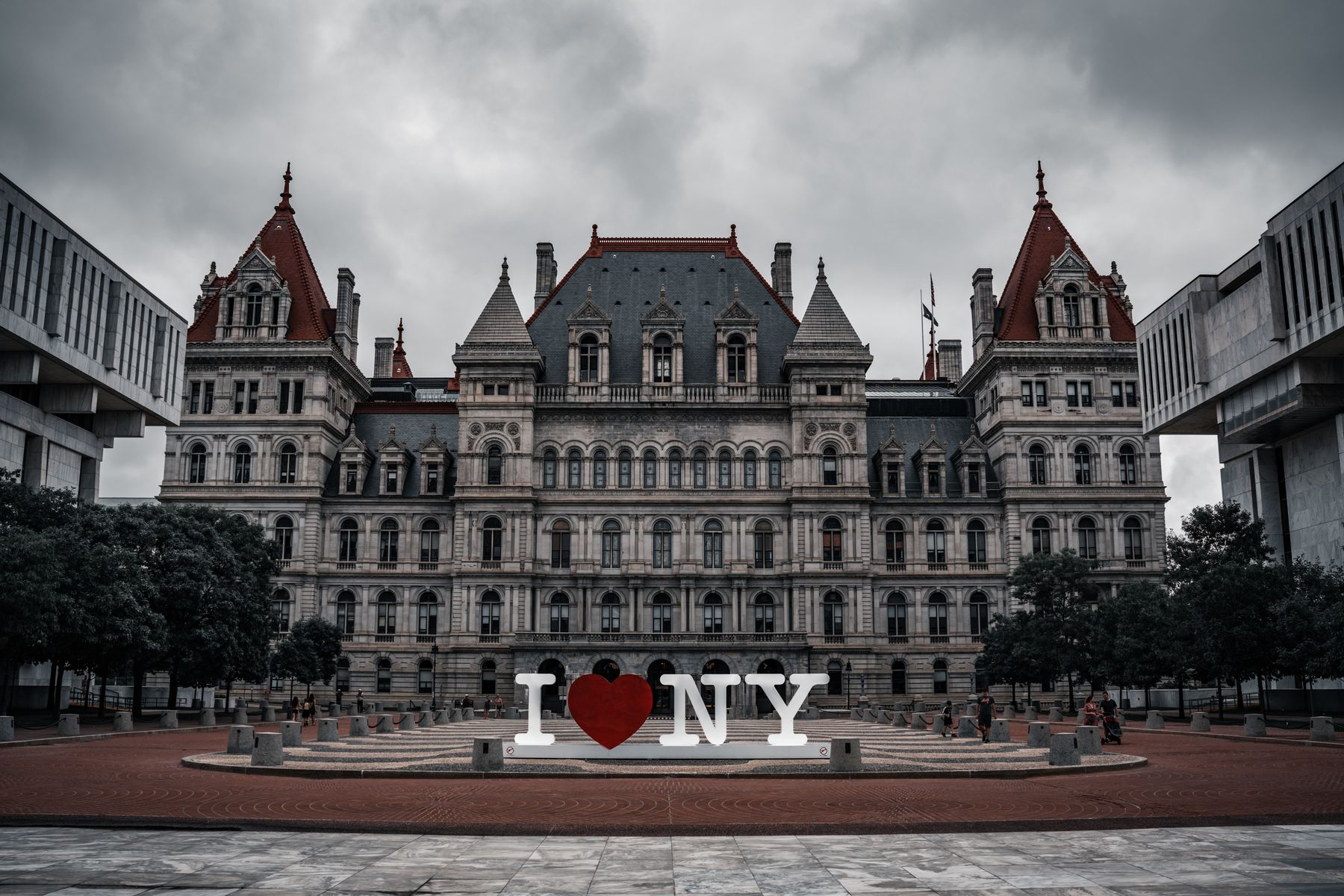
If you arrive by air, Albany International Airport is 6 miles north of downtown. CDTA route 737 connects the terminal to the Rensselaer Rail Station and downtown in about 25 minutes, running every 30–60 minutes. Rideshare from the airport to a downtown hotel like the Hilton Albany or Renaissance Albany runs $20–$30. Albany's grid is compact: from the Capitol at State and Eagle streets, you can walk to the New York State Museum, the USS Slater destroyer on the Hudson, and the Palace Theatre in under 25 minutes each. That's a full day without turning a key.
Where to Sleep: Downtown, Warehouse District or Troy
For the lowest-carbon stay, book a downtown Albany hotel within walking distance of the Empire State Plaza and the Times Union Center. The Hilton Albany on Lodge Street and the Hampton Inn on Chapel Street are both within a 10-minute walk of the Capitol and the MVP Arena, and they sit on CDTA lines. Expect $130–$190 midweek, more during legislative session (January–June) and college move-in weekends in late August. The Warehouse District, around Broadway and Pearl Street, has converted brick warehouses into boutique rooms and puts you near the Albany Distilling Company and Nine Pin Cider; rates run $150–$220.
If you're here for RPI or a Troy event, stay in downtown Troy instead. The Courtyard by Marriott on River Street sits along the Hudson and is a 5-minute walk from the Troy Waterfront Farmers' Market (Saturdays, May–October) and the Uncle Sam Atrium. From Troy, CDTA's 22 and 923 buses reach Albany in 20–30 minutes. Schenectady's Landing Hotel, near the Mohawk River and Proctors theatre, works for a western Capital District base. Book the downtown Albany option if your trip is museums and government; book Troy if you want walkable dining on River Street and the farmers' market.
Eating, Drinking and Shopping with a Lower Footprint
Albany's food scene rewards travellers who stay central. The Capital District's farm-to-table network is real: the Troy Waterfront Farmers' Market (Saturdays, 9am–2pm, May through October) draws over 70 vendors, and the Schenectady Greenmarket (Sundays, 10am–2pm, indoors at Proctors in winter) is a 20-minute drive or a CDTA 905 BusPlus ride from Albany. Ted's Fish Fry, a local institution since 1949, sources sustainably where it can and has locations on Western Avenue and Wolf Road; a fish fry platter is $12–$16. For a sit-down dinner, dp An American Brasserie on Madison Avenue and New World Bistro Bar on Delaware Avenue both lean on regional farms.
Reduce waste by carrying a refillable bottle — Albany's tap water comes from the Alcove Reservoir and is excellent. The city's single-use bag rules mean bring your own to the Honest Weight Food Co-op on Watervliet Avenue, which has a bulk section and a hot bar. Instead of a rental car for a day trip, take the Empire State Trail: the paved Albany-Hudson Electric Trail runs 36 miles from Rensselaer to Hudson, and you can rent a bike at Troy Bike Rescue or Lark Street's Steiner's Sports. The Corning Preserve riverfront path is a 3-mile car-free loop along the Hudson, best in May, June and September.
Day Trips and Seasonal Timing That Cut Emissions
The Capital District is dense enough that you can base in Albany and reach the Berkshires, Saratoga Springs and Cooperstown by train or bus. Amtrak's Ethan Allen Express stops in Saratoga Springs (40 minutes from Albany-Rensselaer) and continues to Burlington, Vermont. Saratoga Spa State Park has mineral springs, walking trails and the Tang Teaching Museum at Skidmore; go midweek in July or August to avoid track season crowds. For Cooperstown's Baseball Hall of Fame, the 2-hour drive from Albany is unavoidable by transit, so carpool or take a regional tour van.
Best months for a low-impact visit are May, June, September and early October — comfortable for walking, the farmers' markets are running, and you avoid both the January cold snaps (single digits) and the July humidity. Winter visitors should lean on the state museum, the Capitol tours (free, weekdays) and the Albany Institute of History & Art. Skip the drive to Lake George in peak summer unless you leave before 8am; the Northway backs up badly. If you have three days, book a downtown Albany hotel, use CDTA and the Empire State Trail, and let the car sit.
Biking the Mohawk-Hudson Bike-Hike Trail
The single best car-free day in the Capital District is the Mohawk-Hudson Bike-Hike Trail, a paved, largely flat path of about 41 miles that starts at the Corning Preserve on Albany's downtown riverfront and runs north through Watervliet and Cohoes before turning west along the Mohawk through Colonie, Niskayuna and Schenectady to Rotterdam Junction. It is part of both the Erie Canalway Trail and the statewide Empire State Trail, so it is well signed and separated from traffic for almost its whole length. The Corning Preserve trailhead is a 10-minute walk from downtown hotels; rent a bike from Downtube Bicycle Works on Madison Avenue for roughly $35 a day and you never touch a car.
For a half-day out, ride from the Corning Preserve to the Niskayuna riverfront — about 12 miles one way, past Lock 7 and the old Erie Canal aqueduct on the Mohawk, with benches and shade the whole way. Go in late September or the first half of October and the maples along the river turn hard red and gold; that stretch is the prettiest and least crowded window of the year. If you want a loop, cross back to the east bank at the Congress Street bridge in Troy or the Menands bridge and pick up the Albany-Hudson Electric Trail. Bring a lock, carry water, and plan on a 3-4 hour round trip at an easy pace.
Walkable Evenings on Lark Street and in Troy
You do not need to drive to dinner. Lark Street — often called Albany's Greenwich Village — runs between Washington Park and Madison Avenue and packs cafes, bars and independent restaurants into three walkable blocks, roughly a 10-minute stroll uphill from the downtown hotels. El Loco Mexican Cafe near the Madison end and the brownstone bistros of Center Square make a full evening on foot, and the Washington Park loop is a pleasant walk back afterwards. Because everything sits between State Street and Madison Avenue, a downtown base means you can eat, drink and walk home without a rideshare, which is the whole point of a low-footprint trip.
If you are basing in Troy, River Street and the blocks around it hold dozens of restaurants within a five-minute walk of the Courtyard by Marriott. Dinosaur Bar-B-Que sits right on River Street, Brown's Brewing Company pours a few doors down, and Franklin Alley hides small bars behind the main drag. From an Albany hotel you can still do a car-free Troy night: the CDTA 22 bus reaches downtown Troy in about 25 minutes, so you can dine on River Street, catch a show near Monument Square, and ride back across the Hudson without ever parking a car.
Questions, answered
Do I need a car to visit Albany sustainably?
No. CDTA buses cover downtown, uptown and the airport, Amtrak's Albany-Rensselaer station links to New York City and Saratoga, and the Empire State Trail is paved for bikes. A car only helps for Cooperstown or Lake George.
Which Albany neighbourhood is best for a walkable, low-waste stay?
Downtown around State and Eagle streets puts you near the Capitol, state museum and arena on foot, with CDTA lines at the door. The Warehouse District and downtown Troy are good alternatives if you want dining on River Street.
When should I visit Albany to avoid crowds and extreme weather?
May, June, September and early October are best — mild, farmers' markets are open and walking is easy. January brings single-digit cold; July is humid. Midweek visits avoid legislative session and track-season hotel spikes.
Can I bike between Albany and Schenectady?
Yes. The Mohawk-Hudson Bike-Hike Trail is a roughly 41-mile paved, car-free route from the Corning Preserve in downtown Albany west to Rotterdam Junction, passing Niskayuna and Schenectady. It is flat and part of the Empire State Trail; rent a bike at Downtube Bicycle Works on Madison Avenue.
How do I reach the Capital District farmers' markets without a car?
The Troy Waterfront Farmers' Market is a short CDTA 22 or 923 bus ride from downtown Albany, then a five-minute walk from the River Street stop. The Schenectady Greenmarket is reachable on the CDTA 905 BusPlus route along Route 5, about 20 minutes out.
Doing good is the business: every booking through Albany Eco funds one verified tonne of carbon removal — same room, same price, no markup.
Start Your Search