Empire State Plaza and the Capitol: mostly excellent
Empire State Plaza is one of the most accessible major attractions in the Northeast. The underground concourse connecting the New York State Museum, the Capitol, the Egg, and the office towers is fully step-free, wide, and climate-controlled. Elevators run to the Observation Deck at Corning Tower (44 floors up, free) and to every gallery in the State Museum. Accessible bathrooms are frequent. Parking is available at the underground garage with accessible spaces near elevator banks — enter from Madison Avenue.
The New York State Capitol tour is accessible with advance notice. Call the Capitol tour office at least 48 hours ahead to arrange the accessible route, which uses freight elevators to reach the Assembly Chamber and Senate Chamber. The Million Dollar Staircase is famously not step-free (it is a staircase), but you can view it from the base and see the carvings without climbing. Security screening at both the Capitol and the Legislative Office Building has accessible lanes and staff are used to helping visitors with mobility devices.
Downtown sidewalks: better than you expect, worse in winter
Downtown Albany’s sidewalks are in decent shape year-round with curb cuts at nearly every intersection. State Street, Broadway, Pearl Street and Washington Avenue all meet ADA standards for width and slope, though the grade up State Street from the river to the Capitol is genuinely steep — a 6 percent slope over roughly half a mile. Center Square’s residential streets are cobblestone-adjacent in places, with brick sidewalks that heave and crack; Lark Street is passable but bumpy in a manual wheelchair, and mobility scooters handle it better.
Winter is the honest accessibility problem. Snow accumulation on sidewalks is uneven because clearing responsibility falls on property owners, and the city’s enforcement is spotty. Curb cuts fill with slush and ice for weeks after storms. If you are visiting between December and March in a wheelchair, plan indoor routes through the Empire State Plaza concourse whenever possible, use Uber WAV (wheelchair-accessible vehicle) for movement between neighborhoods, and give yourself twice the normal travel time. Late November and April are the shoulder months worth choosing over January if flexibility exists.
Hotels: chain reliability wins here
The big downtown chain hotels have modern ADA rooms that actually work. The Hilton Albany on Lodge Street, the Renaissance Albany on Broadway, and the Hampton Inn Downtown on Chapel Street all offer roll-in showers, grab bars, lowered peepholes, and accessible common areas. Book the accessible room directly through the hotel (not through a third-party site) and call to confirm — third-party bookings sometimes fail to flag the accessibility need. Ask specifically for a roll-in shower versus a tub-with-bench, because the distinction matters and hotels use the terms loosely.
Historic boutique hotels are the honest weak point. The Morgan State House on Washington Avenue is a converted 19th-century mansion with beautiful rooms but limited step-free access — there is no elevator to upper floors, and the ground-floor rooms are limited. Call before booking. Airport-area hotels in Colonie (Hilton Garden Inn, Homewood Suites, Hampton Inn Latham) are all modern builds with strong accessibility and free parking, and are worth considering if you are renting an accessible van. Skip the older motels along Central Avenue.
Transit: CDTA buses are accessible, sidewalks to stops are the problem
Every CDTA bus is wheelchair-accessible with a ramp or lift at the front door and two dedicated tie-down spots inside. Drivers are trained and expected to secure your chair with straps; if a driver is dismissive, note the bus number and file a complaint through the CDTA app. The BusPlus 905 (Red Line) between Albany and Schenectady is fully accessible and has station-style platforms rather than curbside stops, which makes boarding smoother. Announcements are audible and visual displays show stops.
The catch is getting to the bus stop. Many CDTA stops downtown are on standard sidewalks with curb cuts, but suburban stops (along Wolf Road, Central Avenue past the airport) are sometimes just signs in grass with no accessible path from the nearest driveway or crosswalk. Plan routes to major stops rather than obscure ones. CDTA STAR is the paratransit service for eligible riders — visitors from other transit systems can sometimes reciprocate; call CDTA STAR before your trip to arrange eligibility if you use paratransit at home.
Museums, theaters and restaurants
The New York State Museum is fully accessible and free — elevators reach every floor, exhibits have wide aisles, and the September 11 exhibit has seating throughout. The Albany Institute of History and Art on Washington Avenue is accessible via the main entrance ramp and elevators. The Palace Theatre on Clinton Avenue has accessible seating on the main floor with an accessible entrance on North Pearl. The Egg has accessible seating and is reachable via the Empire State Plaza concourse elevators. Proctors Theatre in Schenectady is fully accessible with excellent sight lines from accessible sections.
Restaurant accessibility varies. Downtown chains and newer restaurants (Yono’s, The Hollow Bar and Kitchen, City Beer Hall) are step-free with accessible bathrooms. Older Center Square spots (Cafe Capriccio has a step at the entrance; some Lark Street bars have narrow doorways and basement bathrooms) are hit or miss. Call ahead — Albany restaurant staff are almost universally willing to help, but the physical layouts of 1880s brownstones cannot be retrofitted easily. OpenTable’s accessibility filter helps, but confirming by phone is the reliable move.
Parking and getting around by car
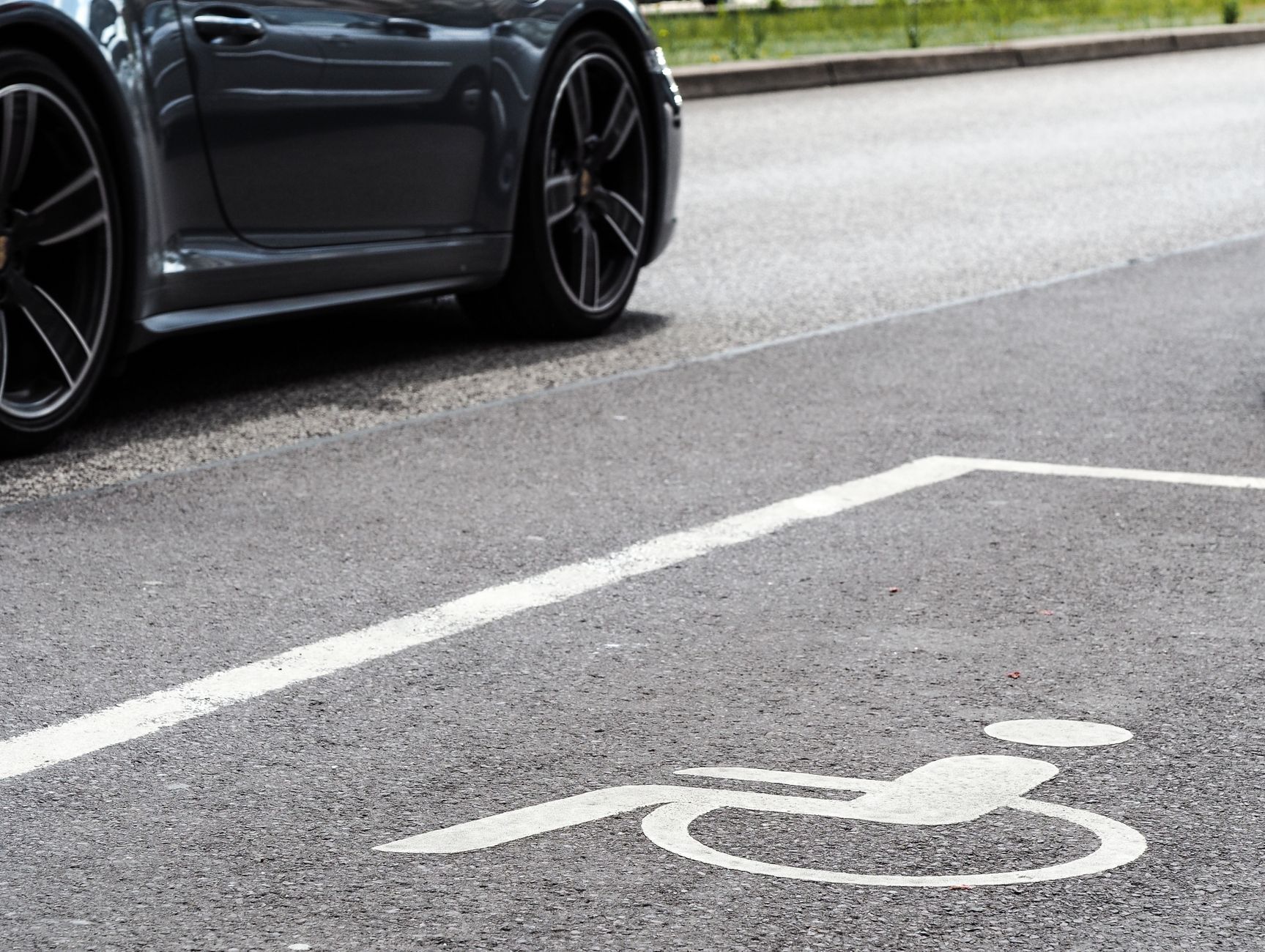
Accessible parking is plentiful downtown. Empire State Plaza’s underground garage has dozens of accessible spaces near elevator banks, and street parking has designated accessible spots along State Street, Broadway, and around Washington Park. New York State honors accessible parking placards from all other states and most foreign countries. The parking is free at metered spots with a valid placard, and time limits are generally waived — check the sign to be sure. Hotel garages have accessible spaces near elevators.
Uber WAV (wheelchair-accessible vehicles) operates in Albany but availability is limited — wait times can run 15 to 30 minutes versus 5 for a standard Uber. Call an accessible taxi service like Capitaland Taxi to book ahead for a specific pickup time; they operate accessible vans with ramps. If you are renting a car and need hand controls or an accessible van, Enterprise and Hertz at Albany International can arrange it with 48 to 72 hours notice. Book early — the accessible fleet is small.
Washington Park and outdoor spaces
Washington Park is largely accessible — the main paved paths loop the park with gentle grades, and the lake is reachable by a step-free route from the Willett Street and Madison Avenue entrances. Benches are frequent. The Robert Burns statue and the Moses fountain are viewable from paved paths. Accessible parking is available along the park’s perimeter streets with placard. During Tulip Festival weekend in May, temporary festival infrastructure sometimes blocks accessible paths — arrive early and ask a volunteer for the current accessible route.
The Corning Preserve along the Hudson River waterfront is fully paved and accessible, connecting to the Empire State Trail. The Skyway pedestrian bridge from downtown to the waterfront has elevator access on the downtown side, avoiding the stairs. In winter, the Corning Preserve path is not consistently plowed — call the city’s 311 line for current conditions before heading down. Lark Street and Center Square streets are technically accessible but the practical experience in a wheelchair is bumpier than the flatter downtown grid.
Questions, answered
Is Albany International Airport accessible?
Yes, ALB is small and modern with step-free access throughout, accessible bathrooms at every gate area, wheelchair assistance available with airline notification, and accessible parking close to the terminal. TSA has accessible screening lanes. The airport is one of the easiest in the Northeast for mobility-impaired travelers.
Are there accessible tours of the Capitol?
Yes, but book at least 48 hours ahead by calling the Capitol tour office. The accessible route uses freight elevators and skips the Million Dollar Staircase itself, but you see the Senate and Assembly chambers and most architectural highlights. Tours are free.
What is the best time of year to visit Albany with mobility needs?
Late April through October, avoiding the winter sidewalk problem entirely. May (Tulip Festival), September and October (foliage, mild weather) are the strongest windows. If you must visit in winter, plan indoor-focused days and budget for Uber WAV to move between attractions.
Are service animals welcome everywhere?
Yes, under both federal ADA rules and New York state law. Restaurants, hotels, museums, and transit all must accept service animals. Emotional support animals do not have the same legal status and can be refused by private businesses. Bring documentation for your service animal to head off any confusion at hotels.
Doing good is the business: every booking through Albany Eco funds one verified tonne of carbon removal — same room, same price, no markup.
Start Your Search