Around Albany: Where to Stay for Museums, Nature Trails and Hudson Valley Towns Within an Hour's Drive
New York's capital anchors a region of Revolutionary War sites, Adirondack foothills and Berkshire borderlands, all best explored from a well-placed hotel base.
Why Albany Works as Your Hudson Valley and Capital Region Base
Albany sits at the confluence of transport routes that have shaped American history since Henry Hudson sailed upriver in 1609. I-87 runs north to the Adirondacks, I-90 sweeps west toward the Finger Lakes, and Route 7 crosses into the Berkshires within forty minutes. That grid makes the city proper—particularly the downtown blocks around State and Pearl Streets or the uptown strip near Washington Avenue—an ideal staging point for day trips that range from Saratoga Springs' August racing season to the leaf-peeping loop around Grafton Lakes in October. Book a hotel with parking included and you unlock circuits that take in Norman Rockwell's studio, Revolutionary battlefields and craft breweries without the logistical headache of changing accommodation every night.
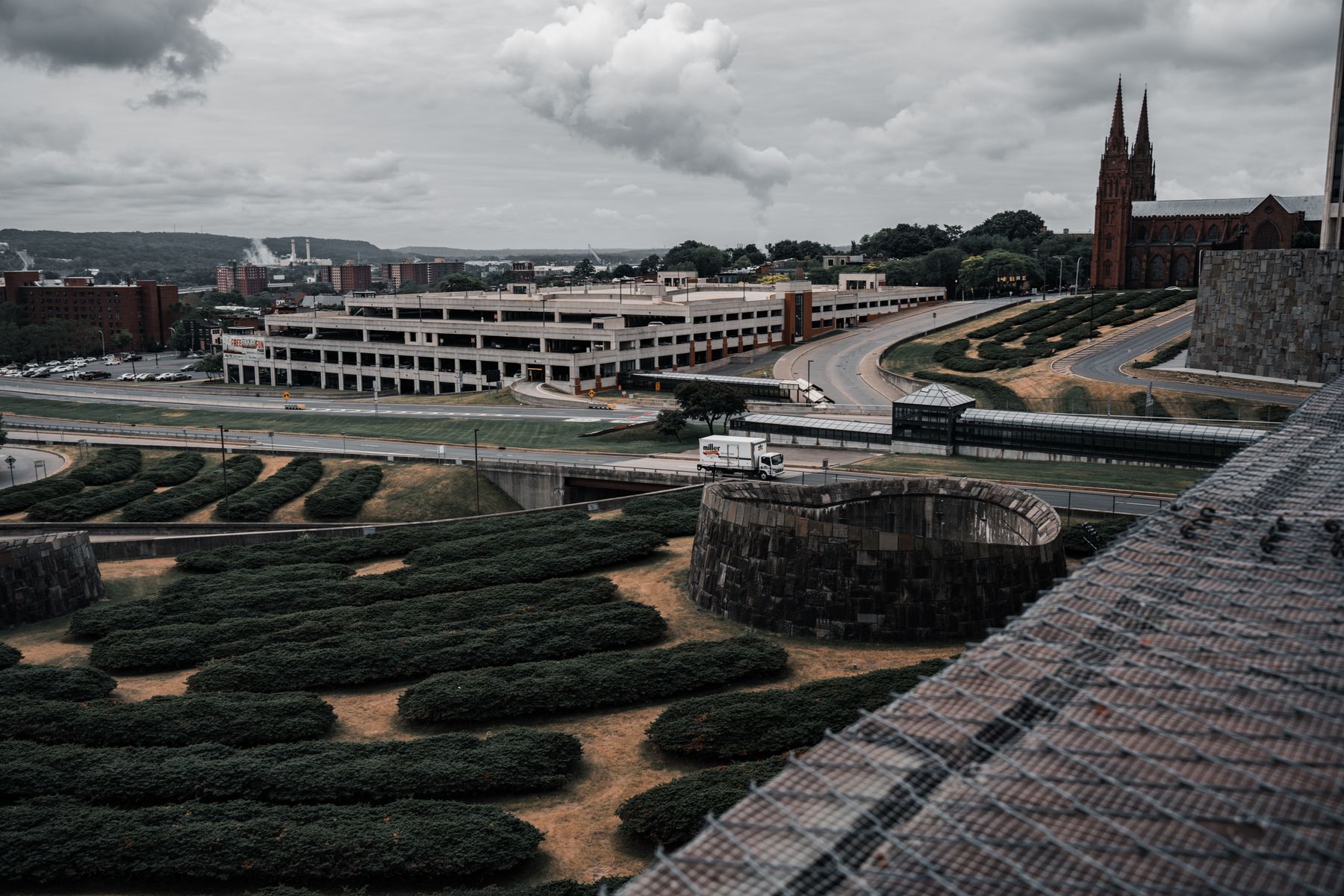
The Capital District itself rewards a closer look. Washington Park's tulip beds bloom in early May, timed to the city's Dutch heritage festival; the Empire State Plaza hosts a winter ice rink and summer concerts under Eero Saarinen's brutalist egg-shaped theatre. Within the city limits you will find the New York State Museum—free admission, three floors covering Adirondack ecology and the World Trade Center recovery—and Lark Street's lineup of Korean bibimbap counters, farm-to-table bistros and vinyl record shops. I would choose a hotel within walking distance of these if your trip leans cultural, or pick one near Exit 2 off I-87 if you plan to spend more daylight hours in the Taconic and Helderberg ranges that frame the valley.
Seasonality matters. June through October delivers the best driving weather and longest opening hours at historic houses; January and February can close mountain roads but open cross-country ski trails at Thacher Park. July is the busiest month downtown, when state legislators are out of session but tourism peaks; you will see better mid-week hotel rates in April or November. I have stayed in Albany during the first week of March, when the snow had just melted off the Helderbergs and room prices dropped twenty percent compared to high summer, and found every attraction open with no queues.
Day Trips North: Saratoga Springs, Lake George and the Southern Adirondacks
Saratoga Springs lies thirty-five miles north via I-87, a forty-minute drive that drops you on Broadway amid mineral-spring pavilions and Victorian gingerbread porches. The Saratoga Race Course runs a six-week Thoroughbred meet from mid-July through Labor Day; general admission costs six dollars and the paddock viewing is among the best in American racing. If you visit outside the meet, the National Museum of Racing on Union Avenue opens year-round with silks collections and simulcast screens. Congress Park, a block off Broadway, bottles its own spring water at a columned pavilion; fill a bottle and taste the iron-heavy sulphur that drew Gilded Age crowds. The Yaddo Rose Garden, two miles east on Union Avenue, is free to enter June to October and displays more than three hundred varieties against a backdrop of Katrina Trask's mansion.
Continuing north another thirty miles brings you to Lake George village at Exit 22. The lake itself—thirty-two miles long, glacier-carved—offers steamboat cruises from the village dock and kayak rentals at Million Dollar Beach. I prefer the quieter east shore: drive Route 9L through Huletts Landing and Sabbath Day Point, where pull-offs let you photograph the Tongue Mountain Range reflected in still water. The Lake George Battlefield Park, at the southern tip, preserves earthworks from the 1755 Battle of Lake George and asks no admission. If you are travelling with children, the Fort William Henry Museum runs musket demonstrations and costumed interpreters daily May through October; ticket prices hover around eighteen dollars for adults. Book your Albany hotel with early check-in if you plan to drive up to Lake George at sunrise, when mist clings to the Narrows and traffic is lightest.
West into the Helderbergs: Thacher Park, Secret Caverns and Schoharie Valley Farms
Thacher State Park perches on the Helderberg Escarpment fifteen miles west of downtown Albany via Route 85. The Indian Ladder Trail descends beneath the cliff face past Minelot Falls and a series of limestone overhangs; the two-mile loop takes about ninety minutes and rewards you with views across the Hudson-Mohawk plain that stretch to the Green Mountains on clear days. The park charges a six-dollar vehicle fee May to October, waived the rest of the year. I have hiked it in late September when the sugar maples along the rim turn scarlet, and again in April when meltwater swells the falls to twice their summer volume; both seasons offer different drama, though April trails can be muddy.
Another eight miles west, Secret Caverns offers a less-polished counterpoint to the better-known Howe Caverns. The hundred-foot underground waterfall and narrow passageways feel authentically rough-edged; tours run every half-hour in summer for around twenty dollars. Howe Caverns, six miles further in Howes Cave, is the larger operation—boat rides on an underground lake, wider formations, better lighting—but ticket prices climb past thirty dollars and summer crowds can mean hour-long waits. I would pick Secret Caverns unless you are travelling with anyone who needs wheelchair access, in which case Howe Caverns' elevator system is the practical choice. On the return leg, pull off Route 443 at any of the farm stands dotting Schoharie Valley; August brings corn and tomatoes, October brings apples and pumpkin patches, and roadside prices undercut supermarket rates by half.
East Across the Hudson: The Berkshires, Stockbridge and Tanglewood
Route 7 leaves Albany eastbound, crosses the Hudson at Troy and climbs into Massachusetts hill country within thirty minutes. Williamstown anchors the northern Berkshires with the Clark Art Institute—Renoirs, Sargents and a reflecting pool framed by birch groves—and the Massachusetts Museum of Contemporary Art in North Adams, a former factory complex turned gallery sprawl. The Clark charges twenty-five dollars admission but waives the fee on first Sundays; MASS MoCA runs eighteen dollars with frequent evening concerts included. I spent a June afternoon at the Clark when thunderstorms rolled through; the indoor galleries stayed quiet while rain pattered the skylights, then the clouds broke and I walked the meadow loop to Tadao Ando's stone-and-water gallery annex under clearing skies.
Stockbridge, twenty miles south of Williamstown on Route 7, preserves the New England town that Norman Rockwell painted for forty Saturday Evening Post covers. The Norman Rockwell Museum, two miles west on Route 183, displays the largest Rockwell collection anywhere and includes his relocated studio; ticket prices sit around twenty-two dollars. Naumkeag, a Gilded Age estate on Prospect Hill Road, opens its terraced gardens May through October for eighteen-dollar admission; the Chinese Garden and blue steps are worth the climb. If your Albany visit falls between late June and early September, check the Boston Symphony Orchestra's schedule at Tanglewood in Lenox, ten miles south of Stockbridge. Lawn seats for weekend concerts cost as little as twenty-two dollars; bring a picnic and blanket, arrive two hours early and claim a spot near the Koussevitzky Music Shed. The drive back to Albany via Route 22 and I-90 takes seventy minutes, which means you can catch an eight-o'clock Friday concert and still sleep in your Albany hotel by eleven.
South Along the Hudson: Olana, Clermont and Rhinebeck Estates
Olana State Historic Site sits on a hilltop twenty-eight miles south of Albany via Route 9G, the Persian-inspired villa that painter Frederic Church built with his Hudson River School earnings. The house tour costs twelve dollars and books up weekends in foliage season; even without entering, the five miles of carriage roads and vista points are free to walk and offer sweeping views across the river to the Catskills. I recommend the sunset slot—purchase tickets online for a four-thirty or five-o'clock entry in October and you will watch the western sky turn pink behind the peaks Church painted a century and a half ago. The grounds stay open until dusk year-round; winter visits trade crowds for solitude and ice-edged panoramas.
Clermont State Historic Site, another eight miles south in Germantown, was home to seven generations of the Livingston family who signed the Declaration and bankrolled Fulton's steamboat. Admission runs eight dollars; the lilac collection blooms in late May and the riverside lawn hosts free summer concerts. Rhinebeck, twelve miles further, clusters antique shops and farm-to-fork restaurants around its walkable downtown. The Beekman Arms, claiming to be America's oldest inn, operates a tavern where you can order cider and a burger without needing a room reservation. Nearby, the Old Rhinebeck Aerodrome flies World War I biplanes on summer weekends; airshow tickets cost thirty dollars and the stunt routines—mock dogfights, wing-walking—delight anyone with a taste for vintage aviation. The round trip from Albany to Rhinebeck and back via Route 9 and I-87 totals roughly ninety miles; leave after breakfast, explore three or four sites, and return by dinner without feeling rushed.
Where to Book Your Hotel and What to Skip
Downtown Albany hotels—those within a ten-minute walk of the State Capitol and Empire State Plaza—suit car-free itineraries focused on museums, restaurants and the riverside Corning Preserve bike path. If your plans involve daily drives to Saratoga, the Berkshires or the Hudson estates, choose a property near I-87 Exit 2 or I-90 Exit 6 where you can load the car at breakfast and avoid downtown parking fees. Mid-week rates in shoulder seasons—April to early May, late October to November—can drop thirty to forty percent below summer peaks, and you will find the same rooms and amenities with quieter lobby bars and faster restaurant service.
I would skip any hotel advertising an airport location unless you are flying into Albany International and leaving again within twelve hours; the airport sits six miles northwest in Colonie, a zone of office parks and chain restaurants with nothing to walk to and patchy evening transit. Likewise, properties along Central Avenue in Colonie offer lower nightly rates but maroon you on a car-dependent strip between Albany and Schenectady. Better value lies in downtown's smaller boutique options or the cluster of mid-range chains off Washington Avenue near the university campus, which give you breakfast diners, coffee roasters and bookshops at your doorstep. Always compare the nightly rate with parking fees; some downtown hotels charge twenty dollars per night to park, which erases any savings over an uptown property with a free lot.
Questions, answered
When is the best time to visit Albany and the surrounding region?
Late September through mid-October delivers peak foliage in the Helderbergs, Berkshires and along the Hudson, though accommodation prices and weekend crowds rise accordingly. May and early June offer lilac blooms, uncrowded trails and lower hotel rates, while November brings post-foliage discounts with most attractions still open. July and August suit Saratoga racing fans and Tanglewood concertgoers but bring the highest room prices and warmest weather.
How far can I drive from Albany in a comfortable day trip?
Saratoga Springs sits thirty-five miles north, Stockbridge forty-five miles east and Rhinebeck forty-five miles south—all manageable as round trips of ninety minutes to two hours. Lake George, at sixty miles north, pushes the limit for a same-day return but works if you leave early and focus on one or two lakeside activities. The Finger Lakes and deeper Adirondacks require overnight stays to explore properly.
Do I need a car to explore around Albany?
Yes, for anything beyond downtown museums and Lark Street dining. Capital District transit links Albany to Troy and Schenectady, but Saratoga, the Berkshires, Thacher Park and Hudson Valley estates have no practical bus or train connections. Rental cars are available at Albany International Airport and downtown locations; booking ahead in summer and autumn weekends prevents rate spikes.
Which museums and parks charge admission around Albany?
The New York State Museum in Albany is free. Thacher Park charges six dollars per vehicle in season. The Clark asks twenty-five dollars, MASS MoCA eighteen, Olana twelve, and most Hudson estates eight to twelve dollars. Many offer first-Sunday or off-season discounts; check websites before your visit. State parks often waive fees November through April.
What should I skip to save time around Albany?
The Albany Pine Bush Preserve is interesting for ecologists but offers little visual drama for casual visitors compared to Thacher Park's escarpment views. Cohoes Falls, north of Albany, runs impressively in spring melt but becomes a trickle by August; unless you time it right, the detour disappoints. Schenectady's downtown has improved but still lacks the density of sights to justify a full day compared to Saratoga or the Berkshires.
Doing good is the business: every booking through Albany Eco funds one verified tonne of carbon removal — same room, same price, no markup.
Start Your Search