Accessibility in Albany: Wheelchair, Mobility and Sensory Guide
Albany is one of the more accessible small US cities, with a fully connected underground concourse, curb cuts on nearly 100% of downtown corners, and CDTA buses that all have working lifts.
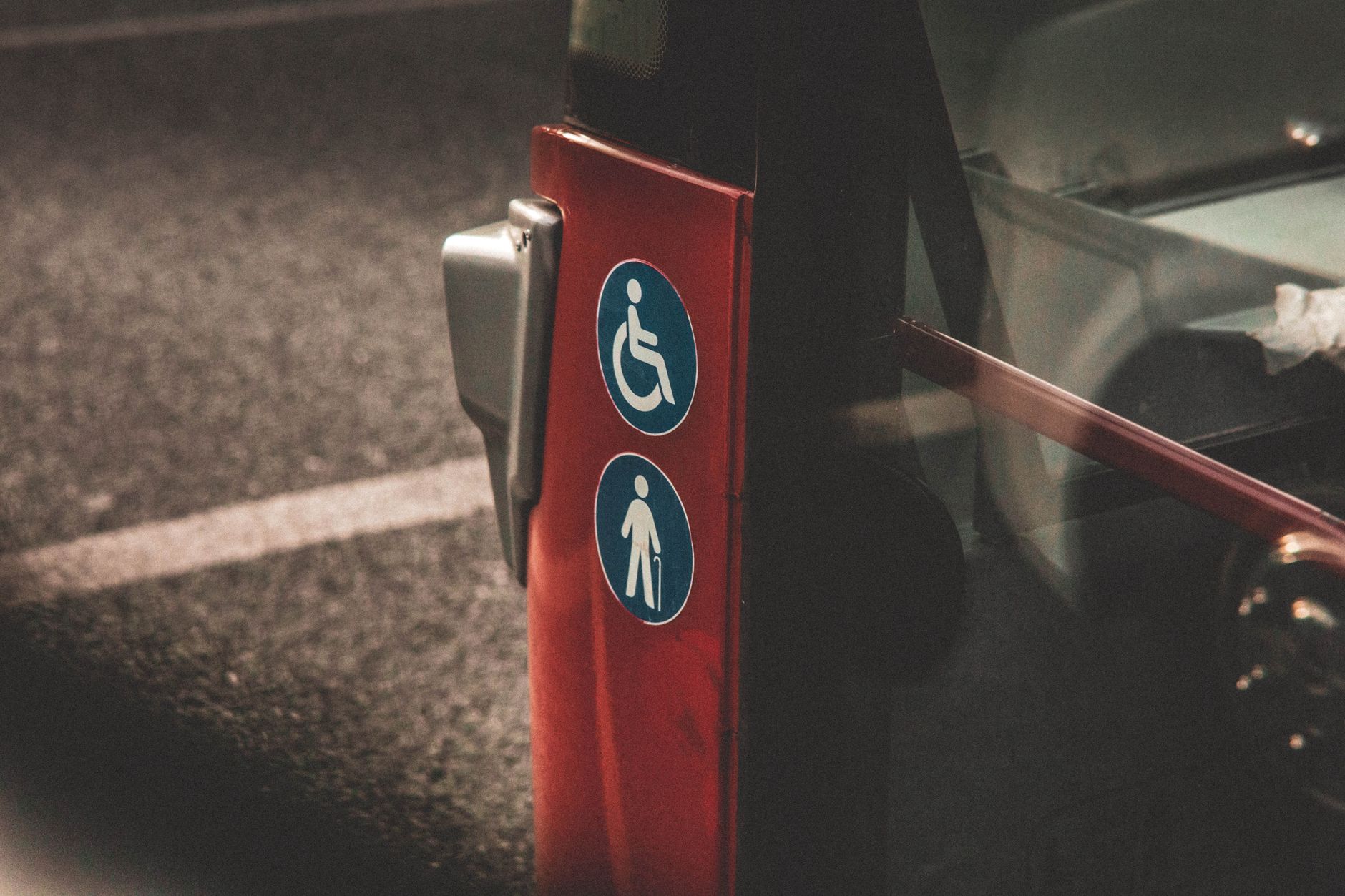
The good news: the Empire State Plaza concourse
The Empire State Plaza has an underground concourse that connects the Capitol, all four agency towers, the New York State Museum, the Egg, and the Corning Tower observation deck — roughly a quarter-mile of flat, climate-controlled, wheelchair-accessible corridor with elevators everywhere and no stairs required. In an Albany winter this is genuinely life-changing. You can enter at the Museum on Madison Avenue, ride an elevator down, wheel the length of the concourse, come up in the Capitol, tour it, and exit on State Street without touching snow or ice. Security screening at each building is short and staff are trained.
The concourse is open weekdays roughly 7am-6pm and part of Saturdays; some connectors close on weekends and holidays, so plan around it. The art collection displayed along the concourse walls (the Rockefeller collection of postwar American painting, actually significant) is at accessible eye level and free. Restrooms are marked, accessible, and clean. The food court at the Plaza has counter heights that vary — some are seated-friendly, some aren’t — but staff at every stand will bring your food out to a table if you ask.
CDTA buses and paratransit
Every CDTA bus in the fleet has a working wheelchair lift or low-floor ramp, and drivers are trained to secure a chair with the four-point tie-down system. The Route 905 BusPlus (Red Line) along Central Avenue and the Route 522 BusPlus (Blue Line) along Washington/Western are the most reliable — level boarding at most stops, real-time arrival, 10-15 minute frequency on weekdays. Fare is $1.50 cash or a Navigator card, and Reduced Fare is $0.75 with a CDTA-issued Reduced Fare ID (for seniors 65+ and riders with qualifying disabilities). Regular buses are frequent downtown, thinner in outer neighborhoods.
STAR (Special Transit Available by Request) is CDTA’s paratransit service for riders whose disability prevents them from using fixed-route buses. It runs ADA-compliant service within 3/4 mile of any bus route, requires an eligibility application (allow 21 days), and costs $3.00 per one-way trip. Reservations are next-day, made by phone 1-4 days ahead. Visitors with paratransit eligibility from another US city can use STAR through ADA reciprocity — bring your home-agency ID and call ahead. The service is functional but not spontaneous; build it into your day.
Sidewalks, curb cuts and the hills
Downtown Albany — the grid from the river up to Lark Street — has curb cuts on essentially every corner and mostly-maintained sidewalks. The bigger issue is the hills. State Street from the river up to the Capitol is a serious grade (roughly 130 feet of climb over 5 blocks). Madison Avenue climbing from the river is similar. If you’re a manual chair user or use a cane, plan to go up on the CDTA and roll down, not the other way. Center Square and Washington Park are on the flat plateau at the top and are the most walkable/rollable areas.
Winter changes everything. From roughly December through March, sidewalks are unevenly cleared — the city clears main routes but residential blocks depend on property owners, and enforcement is spotty. Ice under fresh snow is the real hazard. If you’re mobility-limited and visiting in winter, base yourself downtown near the Plaza concourse and use CDTA or rideshare for everything more than two blocks. Washington Park and the Mansion District are lovely in October and May and much harder in February.
Hotels with strong accessibility
The Renaissance Albany on Broadway (Marriott brand) has fully ADA-compliant rooms with roll-in showers, visual alarms, and 34-inch clear doorways, and it’s directly connected to the concourse via a short block. The Hilton Albany at State and Lodge has ADA rooms and is 200 feet from the Capitol. The Hampton Inn & Suites Downtown on Chapel Street has roll-in shower rooms and free breakfast at accessible height counters. All three have valet or accessible self-parking. Book the ADA room directly by phone, not through a third-party site — those bookings sometimes don’t transmit the room type request.
Avoid the historic boutique inns in the Mansion District and around Washington Park if you have significant mobility needs. Beautiful buildings, mostly stairs, narrow doorways, clawfoot tubs, and elevators are rare or nonexistent. The Morgan State House and similar properties are honest about this on their websites. Colonie hotels along Wolf Road (Hilton Garden Inn, Homewood Suites, Courtyard) are newer, uniformly ADA-compliant, and cheaper — but you’ll need a car or rideshare for everything, since Wolf Road has thin sidewalks and no bus you’d want to depend on.
Museums, venues and cultural sites
The New York State Museum on Madison is free, fully accessible, with elevators to all four floors and wheelchairs available at the front desk. The Capitol tour is free, includes an accessible route (they’ll skip the Million Dollar Staircase and take you via elevator), and books ahead by phone. The Albany Institute of History & Art on Washington Avenue has ramp entry, elevator access to all galleries, and accessible restrooms. The USS Slater destroyer escort down at the port is partially accessible — deck level yes, below-deck no; they’re clear about this.
The Palace Theatre on Clinton has ADA seating in the orchestra with sightlines to the stage; call the box office. The Egg has accessible seating and hearing loops. The Times Union Center (arena) is fully ADA with elevator access to all levels. Washington Park is flat, paved, and accessible; the Lark Street commercial strip is accessible but the older buildings on Lark have step entries — call restaurants ahead. Nine Pin Cider, Fort Orange Brewing and the Renaissance’s Wellington’s are all step-free.
Sensory and cognitive accessibility
Albany is a generally quiet city by American standards — no metro, no honking taxi culture, no massive crowds outside of session days at the Capitol and event nights at the arena. The Empire State Plaza concourse is echoey and can be sensory-overwhelming on lunch rushes (11:30am-1:30pm weekdays); off-hours it’s calm and cavernous. The New York State Museum has quiet corners on the fourth floor and staff will accommodate sensory needs on request. The Washington Park playground has adaptive equipment and is a good calm-down spot.
For neurodivergent visitors and travelers with sensory needs: KultureCity certification hasn’t reached most Albany venues yet, but individual staff at the Palace, the Egg and the museums are typically responsive if you email ahead. Restaurants like Cafe Capriccio and Ama Cocina take reservation notes seriously — request a quiet corner and they’ll honor it. Avoid Lark Street on Friday and Saturday nights after 9pm if noise is an issue; try Sunday brunch or weekday early dinner instead when the same restaurants are calm and staff have time.
Airport, train and getting into town
Albany International (ALB) is small, single-terminal, and easy: jetbridge boarding on all mainline flights, accessible restrooms throughout, and TSA CARES available with 72 hours' notice. Wheelchair assistance from curb to gate is reliable if you request it with your airline. Ground transportation to downtown (10 miles, roughly 15-20 minutes) is best via accessible taxi or a booked wheelchair-accessible rideshare — regular Uber/Lyft in Albany rarely have WAV vehicles available on demand, so book Capitaland Taxi’s wheelchair van (call ahead) or a hotel shuttle.
Albany-Rensselaer (ALB) Amtrak station across the river is fully accessible with elevators, level boarding on most trains via bridge plates (staff-assisted), and accessible parking. It’s the ninth-busiest Amtrak station in the country and the trains to NYC (2.5 hours, $40-90) are the single easiest way to arrive without a car. From the station, wheelchair-accessible taxis cross the Dunn Memorial Bridge into downtown Albany in 5-10 minutes. CDTA Route 214 also connects the station to downtown and has accessible buses.
Questions, answered
Can I get around Albany without a car if I use a wheelchair?
Yes, if you stay downtown. The Empire State Plaza concourse plus accessible CDTA buses cover the tourist core — Capitol, museums, State Street hotels, and Center Square via Route 522. For Colonie, Wolf Road or day trips to Troy or Saratoga, you’ll need STAR paratransit (booked a day ahead) or a wheelchair-accessible taxi from Capitaland.
Is the Capitol tour actually accessible?
Yes. The free tour includes an accessible route that uses elevators instead of the famous Million Dollar Staircase, and covers the Senate and Assembly chambers, the Governor’s reception area, and the exterior carvings. Book by phone 24-48 hours ahead and mention mobility needs; the guide will adjust. Security screening at the entrance is quick and accommodating.
Which season is best for accessible travel to Albany?
May through October, decisively. Sidewalks are clear, curb cuts are usable, outdoor venues at Washington Park and the Corning Preserve are open, and CDTA runs smoothly. December through March adds snow, ice, and inconsistent sidewalk clearing that turns short trips into ordeals. If you must visit in winter, base downtown near the Plaza concourse.
Are there accessible day trips from Albany?
Saratoga Springs is largely accessible (flat downtown, good sidewalks, accessible Saratoga Race Course, National Museum of Dance ramped). Troy has curb cuts and accessible restaurants on River Street but hills climbing away from the river. Cooperstown (1.5 hours) has a mostly accessible Baseball Hall of Fame. Skip the smaller Hudson Valley village crawls — old sidewalks, step entries everywhere.
Doing good is the business: every booking through Albany Eco funds one verified tonne of carbon removal — same room, same price, no markup.
Start Your Search