2026 Report: How Upstate NY Boutique Hotels Are Navigating the Transition to Zero-Waste Amenities
Albany's independent properties are eliminating single-use plastics and rethinking guest supplies without sacrificing the comfort that travellers expect from a curated stay.
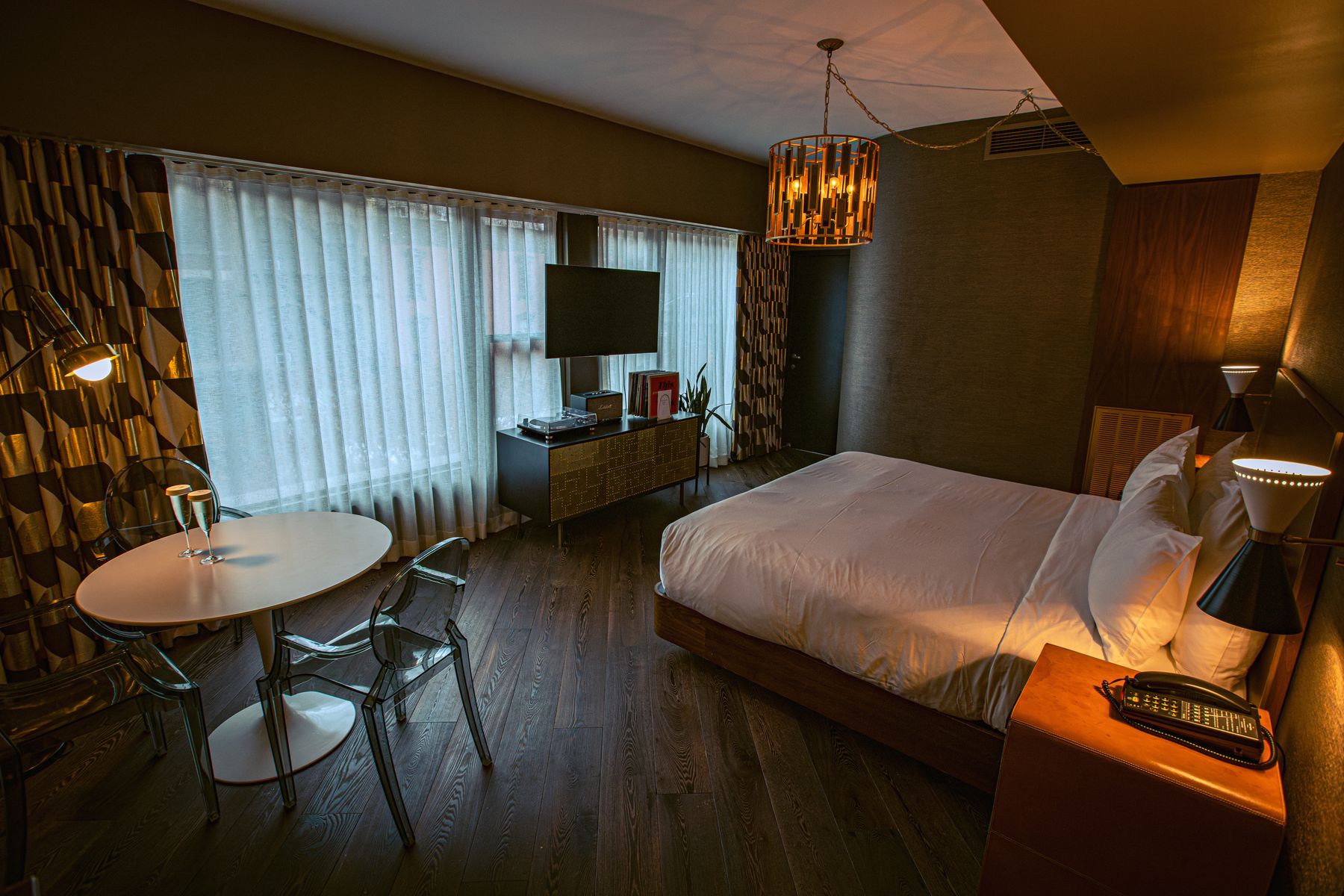
What Zero-Waste Actually Means in an Albany Hotel Room
Walk into a room at The Lofts at 74 State Street or Morgan State House this year and you will notice ceramic soap dispensers mounted in the shower, glass bottles of filtered tap water on the nightstand, and a cloth tote instead of a plastic laundry bag. Zero-waste hospitality does not mean guests go without—it means operators have stripped out throwaway packaging and replaced it with durable, refillable or compostable alternatives. In Albany, where the state capitol building sits three blocks from a cluster of independent hotels along State and Lodge Streets, property owners are under growing pressure to meet corporate sustainability pledges from government contractors and conference organisers who book blocks of rooms. The shift began in 2024 when New York State expanded its ban on single-use plastic bags to include lodging amenities, giving hotels eighteen months to comply. By early 2026, most downtown boutiques have gone further, removing miniature shampoo bottles, plastic-wrapped soap bars, single-serve coffee pods and polyester-blend slippers.
The practical effect for a weekend visitor is straightforward: you will find bulk-dispenser body wash in the shower, loose-leaf tea in a tin with a metal infuser, and a small card explaining the hotel's refill station in the lobby for toothpaste, lotion or shaving cream. The Desmond in Colonie, a mile west of Albany International Airport on Albany Shaker Road, installed a vending alcove with glass jars of essentials and a weighing scale so guests pay only for what they take. Hampton Inn & Suites Albany Downtown on Lodge Street replaced its breakfast buffet's plastic cutlery with bamboo forks and steel tumblers, cutting waste by an estimated nine hundred kilograms per year. These changes cost money up front—ceramic dispensers run about forty dollars each, and housekeeping staff need extra minutes per room to check and refill them—but operators report lower recurring supply costs within six months. More importantly, they attract the kind of traveller who searches explicitly for eco-friendly lodging, a segment that has grown in Albany since the state launched its Clean Energy Jobs initiative and brought several hundred new public-sector workers into the city.
Which Downtown Properties Lead the Pack and What They Offer
Morgan State House, a twenty-room brick townhouse hotel at the corner of State and Eagle Streets, converted entirely to zero-waste amenities in January 2025 and now serves as the de facto model for other independents. Every room has a stainless-steel water carafe that housekeeping refills twice daily from a reverse-osmosis tap in the basement, glass containers of locally made castile soap from a workshop in Troy, and linen napkins instead of paper tissues. The property composted eight hundred kilograms of organic waste in its first year, sending coffee grounds, tea leaves and food scraps to a municipal program that turns them into soil amendments for Washington Park's rose garden. Rates in 2026 run between one hundred seventy and two hundred thirty dollars per night depending on season, and the hotel stays nearly full on weekdays thanks to state-employee travel. The Lofts at 74 State, two blocks east, took a different approach: it partnered with a refill startup called Bare Necessities that delivers five-litre jugs of shampoo, conditioner and body wash every two weeks, cutting plastic waste by ninety-three per cent compared to the hotel's previous miniature-bottle system.
Renaissance Albany, the larger convention property on State Street near the Times Union Center, faced a tougher challenge because its three hundred thirty rooms serve tour groups and corporate events where guests expect familiar chain-hotel conveniences. Management phased out plastic key cards in favour of digital check-in via smartphone, replaced wrapped pastries at breakfast with serve-yourself trays and reusable tongs, and installed a filtered-water tap in every corridor so guests can refill their own bottles instead of buying single-use plastic in the lobby shop. The hotel still offers small packaged soaps on request for travellers who prefer them, but the default is now wall-mounted dispensers. Hampton Inn & Suites went further, eliminating coffee pods entirely and installing a manual espresso machine in the breakfast area with fresh beans from a roaster in Schenectady; guests either love the ritual or complain it takes too long, but waste from the breakfast service dropped by two-thirds. If you care about these details, check the hotel's website for a sustainability page—properties that have genuinely committed will list specific targets, such as diversion rates or the name of their waste-hauling partner, rather than vague pledges.
How This Changes the Guest Experience in Practice
The most common grumble from first-time visitors is that bulk dispensers feel less hygienic than a sealed miniature bottle, even though health departments treat both the same way and require daily cleaning. If that bothers you, bring a small travel-size container from home and decant what you need—most Albany hotels now provide a funnel at the front desk for exactly this purpose. The second adjustment is remembering to bring or request items you might have taken for granted: a razor, a comb, a sewing kit. Morgan State House keeps a drawer of these at reception, free to borrow, but you have to ask. The Desmond stocks them in its lobby refill station for a dollar or two each. In practice, the zero-waste model works best for travellers who pack a basic toiletry kit and appreciate not adding eight plastic bottles to a landfill during a three-night stay. It works less well for the spontaneous visitor who flies in with a carry-on and expects the hotel to supply everything, though most properties will provide essentials on request if you explain your situation.
One unexpected benefit is that rooms feel quieter and less cluttered. Without a tray of tiny bottles on the vanity and a plastic-wrapped glass on the nightstand, the space reads cleaner and more deliberate. The Lofts at 74 State replaced its in-room coffee station—previously a jumble of pods, stirrers and creamers in foil—with a French press, a tin of ground coffee from Daily Grind on Lark Street, and a ceramic jug of milk delivered each morning. It takes an extra two minutes to brew, but the coffee tastes better and you are not left with a pile of packaging to throw away. Housekeeping turnaround times have increased slightly, from about twenty minutes per room to twenty-five, because staff check dispenser levels and wipe down refillable containers rather than simply replacing a miniature bottle. Hotels absorb that cost as part of the transition, though some have reduced daily housekeeping frequency to offset labour—opt-in cleaning is now standard at most downtown properties unless you request daily service.
What Happens to Waste That Cannot Be Eliminated
Zero-waste is an aspiration, not an absolute. Even the most committed Albany hotels still generate some refuse—mostly from deliveries, construction materials and items guests leave behind. Morgan State House sends non-compostable, non-recyclable waste to Waste Management's transfer station on Sheridan Avenue, which diverts about forty per cent of incoming material to energy recovery. The hotel tracks its monthly landfill weight and publishes the figure on a lobby display, a level of transparency rare outside of LEED-certified conference centres. Renaissance Albany partners with a company called ReCommunity that sorts mixed recycling at a facility in Colonie, recovering cardboard, glass, metal and certain plastics; contamination remains a problem when guests toss food wrappers into the blue bin, so the hotel added pictorial signage in three languages. Hampton Inn & Suites composts coffee grounds and tea leaves but sends food waste from its breakfast service to the municipal incinerator because the city does not yet accept cooked food in its composting program.
Linen and towel replacement is the other big waste stream. Most Albany hotels now ask guests to hang towels if they plan to reuse them and leave them on the floor only if they want a fresh one, a system that reduces laundry loads by about thirty per cent. The Desmond uses an ozone-injection washing system that cuts detergent use by half and allows the hotel to wash at lower temperatures, saving energy and extending fabric life. Worn-out linens go to Rags to Riches, a textile recycler in Watervliet that shreds cotton into insulation or industrial wipers rather than landfilling it. If you want to support these efforts during your stay, consolidate your rubbish into one bin rather than scattering it across the room, and do not request new towels unless you genuinely need them. Small actions compound quickly when a hotel runs seventy-five per cent occupancy and turns over a hundred rooms per day.
Cost Implications and How They Show Up in Your Rate
Zero-waste conversion is not cheap. Morgan State House spent about eighteen thousand dollars replacing amenities, retraining staff and redesigning its procurement process. The Lofts at 74 State invested twelve thousand in dispenser hardware and signage, plus an ongoing monthly fee to Bare Necessities for refill service. Renaissance Albany's filtered-water taps cost roughly nine hundred dollars per tap installed, and the hotel put in fifteen of them across guest floors and meeting spaces. These up-front costs are typically amortised over two to three years, which means they add a modest premium to room rates in the short term—perhaps five to ten dollars per night—but most properties frame the expense as reputational investment rather than a profit centre. Hotels that market themselves as green or boutique can command a slight rate premium, especially for state contracts and corporate travel policies that require sustainability credentials.
For guests, the clearest signal of cost is comparison shopping: a night at Morgan State House in April 2026 runs about one hundred ninety dollars midweek, while a comparable non-eco room at a legacy chain hotel on Wolf Road might be one hundred sixty-five dollars. Part of that spread reflects location—State Street is closer to the capitol and Empire State Plaza than the commercial corridor along Central Avenue—but part reflects the investment in reusable infrastructure and premium local suppliers. If you are budget-conscious, the Hampton Inn & Suites offers a middle ground: it has adopted most zero-waste practices but keeps rates closer to one hundred forty dollars per night because it benefits from franchise buying power on bulk goods. The Desmond, despite its airport location, prices at one hundred seventy to two hundred dollars because it targets business travellers who expense lodging and increasingly prefer properties with documented environmental programs. In practical terms, you will pay a modest premium to stay somewhere that has genuinely eliminated single-use plastics, but the difference is smaller than the gap between a downtown location and a suburban one.
How to Choose a Hotel That Matches Your Sustainability Priorities
Start by checking whether the property lists specific waste-reduction metrics rather than broad green claims. Morgan State House publishes its monthly landfill weight and composting total on its website; Renaissance Albany reports its year-over-year reduction in plastic use as part of its parent company's ESG disclosures. Vague phrases like eco-friendly or environmentally conscious often mean little more than switching to LED bulbs. Ask at booking whether the hotel uses refillable dispensers, offers a water-refill station, and has a plan for organic waste—if the front-desk agent cannot answer, the commitment is probably shallow. Location matters as much as amenities: a hotel within walking distance of your meetings or the state campus reduces your transportation footprint more than any in-room dispenser will. Morgan State House sits four blocks from the New York State Museum, ten minutes on foot to Washington Park, and a fifteen-minute walk to the Times Union Center, making it practical to skip rental cars entirely if your itinerary centres on downtown.
If you are booking for a group or conference, ask whether the hotel will provide bulk snacks and beverages in reusable containers rather than individually wrapped items—Renaissance Albany now offers this as a standard option for meeting packages. For leisure visits, consider properties that partner with local suppliers: The Lofts at 74 State sources soap from Troy, coffee from Schenectady and pastries from Bella Napoli Bakery on Delaware Avenue, cutting delivery emissions and supporting regional makers. The Desmond runs a shuttle to Crossgates Mall and the airport, which reduces guest reliance on ride-hailing. Hampton Inn & Suites offers bike rentals for three dollars per day, a practical option from May through October when the Hudson River bike path and Washington Park loop are in good condition. Ultimately, the best choice depends on whether you value proximity to state offices, price, or depth of environmental commitment—Albany now has options across all three, which was not true even two years ago.
Questions, answered
Do zero-waste hotels in Albany charge extra fees for amenities?
No, the transition to refillable dispensers and reusable items is built into the nightly rate. You will not pay separately for soap, shampoo or water. Some hotels, like The Desmond, charge a dollar or two for single-use items such as razors or combs at their lobby refill station, but these are optional and clearly priced. Morgan State House and The Lofts at 74 State provide all essentials at no additional cost, though you may need to request less common items like a sewing kit from the front desk.
What should I pack if I am staying at a zero-waste hotel in Albany?
Bring your own toothbrush, toothpaste, razor and any specialty toiletries you prefer, as most properties no longer stock single-use versions. A reusable water bottle is useful because hotels provide refill stations rather than bottled water. If you forget something, ask at the desk—most Albany hotels keep a small supply of essentials available on request, and The Desmond has a self-serve station where you can purchase basics. Everything else, from towels to hairdryers, remains standard.
Are the bulk dispensers in Albany hotel showers actually clean?
Yes, health regulations require hotels to clean and sanitise refillable dispensers daily, the same standard that applies to any surface in a guest room. Morgan State House and Renaissance Albany use tamper-evident dispensers that housekeeping removes, washes and refills each day rather than topping up, which prevents contamination. If you have concerns, you can bring your own travel-size containers and decant from the dispenser, or request a sealed bar of soap from the front desk at most properties.
Which Albany neighbourhood should I book if I want a zero-waste hotel near state offices?
Stay along State Street or Lodge Street downtown, within four blocks of the capitol building. Morgan State House at State and Eagle Streets and Hampton Inn & Suites on Lodge Street are both under a ten-minute walk to the Empire State Plaza and have committed to zero-waste amenities. Renaissance Albany on State Street is slightly larger and offers more meeting space if you need it. All three are closer to state offices than properties on Wolf Road or near the airport, reducing your need for a rental car.
Do Albany hotels compost food waste from breakfast, and can I participate?
Morgan State House composts coffee grounds, tea leaves and fruit scraps through a municipal program, and guests can add their apple cores or banana peels to a clearly marked bin in the breakfast area. Hampton Inn & Suites composts grounds and leaves but sends cooked food to the incinerator because the city program does not accept it. Renaissance Albany does not currently compost due to volume and logistics. If composting matters to you, ask at booking which hotels participate and where the organics go—serious programs will name their hauler or municipal partner.
Doing good is the business: every booking through Albany Eco funds one verified tonne of carbon removal — same room, same price, no markup.
Start Your Search