Green Hotels in Downtown Albany: A Practical Guide for Eco-Conscious Travelers
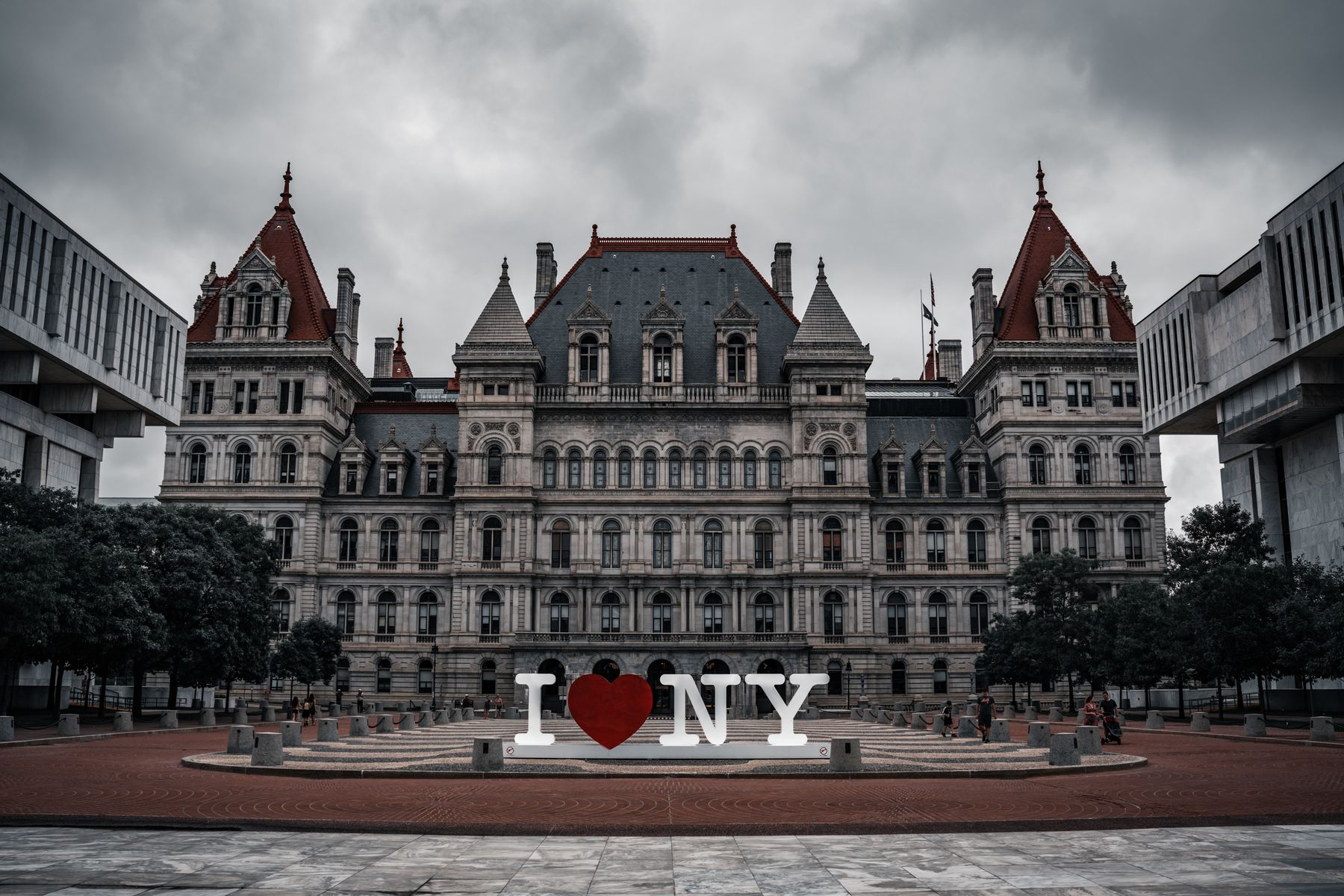
 A leafy downtown Albany street of historic hotel buildings near the New York State Capitol on a clear day
From LEED-certified high-rises near the Capitol to boutique stays in Lark Street, here's how to book a sustainable hotel in Albany without sacrificing location or comfort.
What 'Green' Means in Downtown Albany
Downtown Albany's green hotel scene is anchored by properties that have earned LEED certification or participate in New York State's Green Hospitality Program. The Hilton Albany on Lodge Street, for example, has implemented energy-efficient lighting and a comprehensive recycling program. The Renaissance Albany Hotel, housed in the former DeWitt Clinton Hotel at State and Eagle streets, restored a 1920s landmark with modern sustainability features like low-flow fixtures and a building automation system. These are not marketing gimmicks—they are verifiable commitments that reduce waste and energy use.
For travelers, the practical benefit is a stay that aligns with your values without compromising on location. Both properties put you within a 10-minute walk of the New York State Capitol, the Empire State Plaza, and the Albany Institute of History & Art. If you're driving, expect parking fees of $15–$25 per night downtown; some green hotels offer EV charging, but call ahead to confirm. The best months to visit are May, June, September, and October, when you can walk the Hudson River Way and Washington Park without extreme cold or humidity.
Neighborhoods and Where to Book
Most green-certified hotels cluster in the central business district, bounded by State Street to the north, Broadway to the east, and Madison Avenue to the south. The Hilton Albany and Renaissance are the two largest. For a smaller footprint, consider the TownePlace Suites by Marriott on Chapel Street, which opened in 2019 with Energy Star appliances and a green cleaning policy. Rates for these properties typically range from $120 to $220 per night, depending on season and demand; book directly with the hotel or through a trusted booking partner to avoid opaque third-party fees.
If you prefer a neighborhood feel, look at the Lark Street area, about 1.5 miles west of the Capitol. There are no large green-certified hotels here, but a few bed-and-breakfasts, like the Morgan State House on State Street, emphasize local sourcing and low-waste practices. You'll trade a fitness center for a quieter, tree-lined street and easy access to independent cafes and shops. Drive time from Albany International Airport to downtown is 15–20 minutes; a taxi or rideshare costs roughly $25–$35. The CDTA bus route 737 also connects the airport to downtown for $1.50.
Getting Around and What to Skip
Downtown Albany is compact and walkable, but for longer hops, use CDTA buses ($1.50 per ride, $4 day pass) or the Capital District Transportation Authority's bike-share, CDPHP Cycle!, with stations near the Capitol and SUNY Plaza. Many green hotels offer complimentary shuttle service within a 3-mile radius—ask when booking. Skip the rental car if you're staying downtown; parking is expensive and you won't need it for attractions like the USS Slater, the New York State Museum (free admission), or the Quackenbush House. For trips to Saratoga Springs or the Berkshires, a car is useful, but for a 2–3 day Albany visit, you can rely on transit and walking.
One common mistake is booking a hotel in Colonie or Latham to save $20–$30 per night. You'll spend that on parking and rideshares, and you'll miss the walkable core. If you want a green stay, prioritize downtown properties with verified certifications. Skip hotels that only claim to be 'eco-friendly' without specifics—look for LEED plaques or Green Hospitality Program logos. Also, avoid the peak of summer (July–August) if you dislike humidity; spring and fall are far more pleasant for exploring the Albany Pine Bush Preserve or the Corning Riverfront Park.
Booking Strategy and Value
Book your green hotel 2–3 weeks in advance for the best rates, especially for May, September, and October. Weekday nights are often $30–$50 cheaper than weekends, when weddings and events at the Empire State Plaza drive up demand. If you're flexible, consider a Sunday–Tuesday stay. Check whether the hotel offers a green rate or packages that include breakfast from local suppliers—some do, like the Hilton Albany's partnership with a regional dairy. Always confirm that sustainability features are operational; a 2022 renovation might have added solar panels, but the pool could still be heated by gas.
For a 3-night stay, expect to pay $360–$660 before taxes and parking. That's competitive with non-green hotels in the same area, so you're not paying a premium for values. Use a booking platform that shows total costs upfront. If you're a member of a hotel loyalty program, book direct to earn points, but compare with the partner site for exclusive rates. Remember that true sustainability also means supporting local businesses: eat at restaurants like The Hollow Bar + Kitchen on North Pearl Street, which sources from nearby farms, and buy coffee from Stacks Espresso Bar on Lark Street.
If Downtown Is Full: Green Stays in Troy and Saratoga
When the Renaissance and Hilton sell out during legislative session or graduation weeks, you can still keep the trip low-carbon by heading up the Hudson to Troy. CDTA buses reach downtown Troy from Albany in about 25 minutes, and once you arrive the 15-block core is walkable enough to leave the car parked for good. The Hilton Garden Inn Troy at 235 River Street sits on the river beside the Troy Waterfront Farmers Market, which runs outdoors along River Street from May through October and moves inside the Uncle Sam Atrium in winter; expect rooms in the $150–$210 range midweek. Booking here trades a downtown-Albany address for a shorter walk to independent restaurants and the Hudson promenade.
Saratoga Springs is the other option, about 40 minutes and 35 miles north. You do not need a car to reach it: Amtrak's Adirondack and Ethan Allen Express trains both stop at the Saratoga Springs station, and Broadway's hotels, cafes and spa are walkable from there. The Adelphi Hotel at 365 Broadway, a restored 1877 landmark, commands $350 and up during the July–August racing season, while the family-run Saratoga Arms at 497 Broadway runs closer to $250–$400 depending on the month. Book May, June or September to dodge the track-season surge, when rates across town can nearly double and rooms sell out weeks ahead.
Before you book
What people ask before booking Albany.
Yes. The Renaissance Albany Hotel and Hilton Albany have LEED certification or equivalent green building credentials. The TownePlace Suites by Marriott also follows Energy Star guidelines. Verify current status on the U.S. Green Building Council website or by calling the hotel directly.
May, June, September, and October offer mild weather for walking and outdoor activities. Avoid July–August if you dislike humidity. Weekday rates are lower, and you'll have better luck finding availability at eco-conscious properties.
Not necessarily. Rates at LEED-certified downtown hotels range from $120 to $220 per night, similar to conventional options. You may save on transportation if you walk or use transit, and some hotels offer green packages with breakfast or parking credits.
Some do, but it is not universal, so call ahead to confirm working chargers and whether they are free for guests. If your hotel lacks them, public ChargePoint stations sit around the Empire State Plaza and several downtown garages. Budget $15–$25 per night for downtown parking either way.
Yes. CDTA buses reach downtown Troy in about 25 minutes, and Amtrak's Adirondack and Ethan Allen Express trains stop in Saratoga Springs, roughly 40 minutes north. Both downtowns are walkable, so you can leave the rental car behind for these side trips.