Carbon-Conscious Albany: A Practical Guide to a Lower-Emission Capital Region Trip
 An Amtrak train and downtown Albany skyline, the low-carbon way to reach New York's Capital Region
How to plan an Albany stay that trims the driving, leans on trains and buses, and still leaves room for a decent dinner on Lark Street.
Why Albany Works Better Than Most Upstate Bases Without a Car
Albany is one of the few upstate cities where a car is genuinely optional. Amtrak's Empire Service and Maple Leaf drop you at Rensselaer Rail Station, 10 minutes by taxi or CDTA Route 233 across the Dunn Memorial Bridge into downtown. From there, CDTA's BusPlus purple line runs along Central Avenue and Washington Avenue every 10 to 15 minutes on weekdays. If you're arriving from New York City, the train takes about 2 hours 40 minutes and emits a fraction of the emissions of the 150-mile drive up the Thruway.
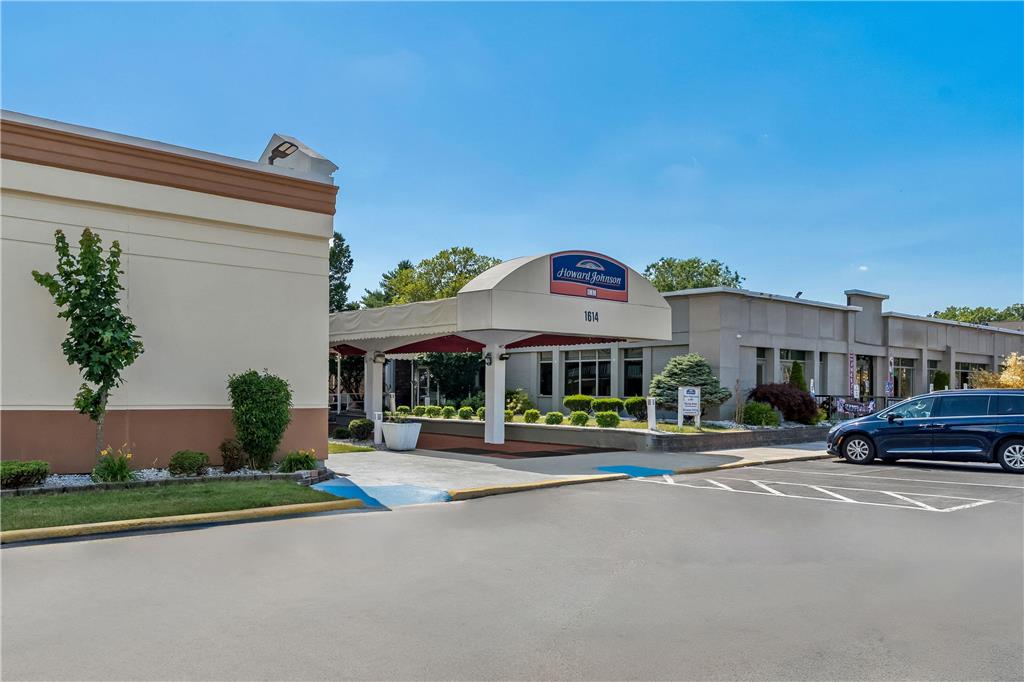
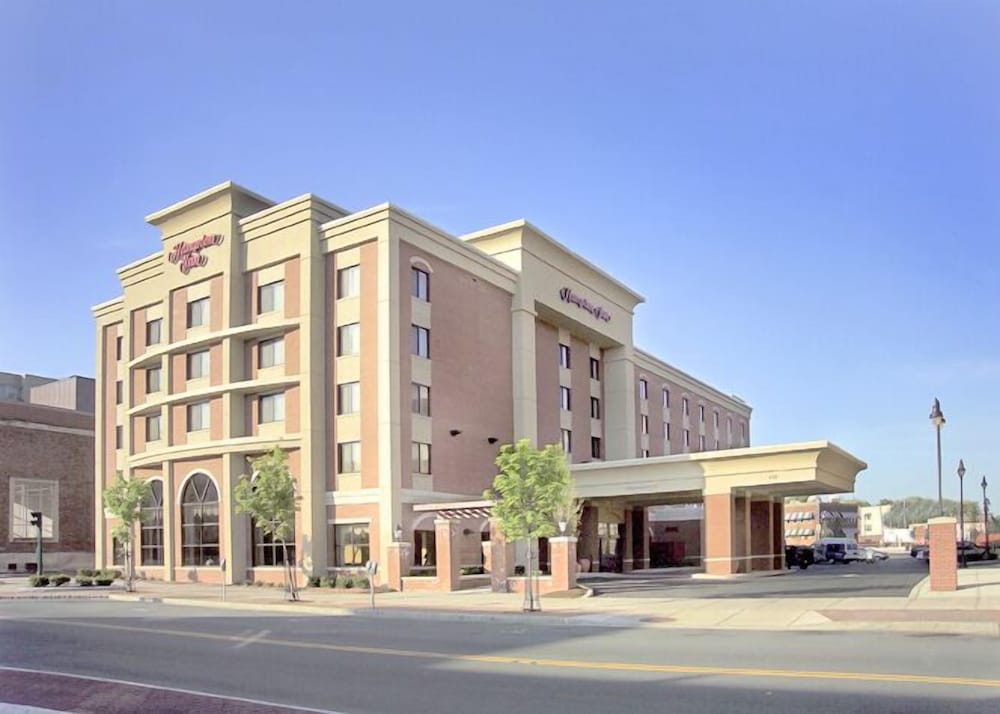
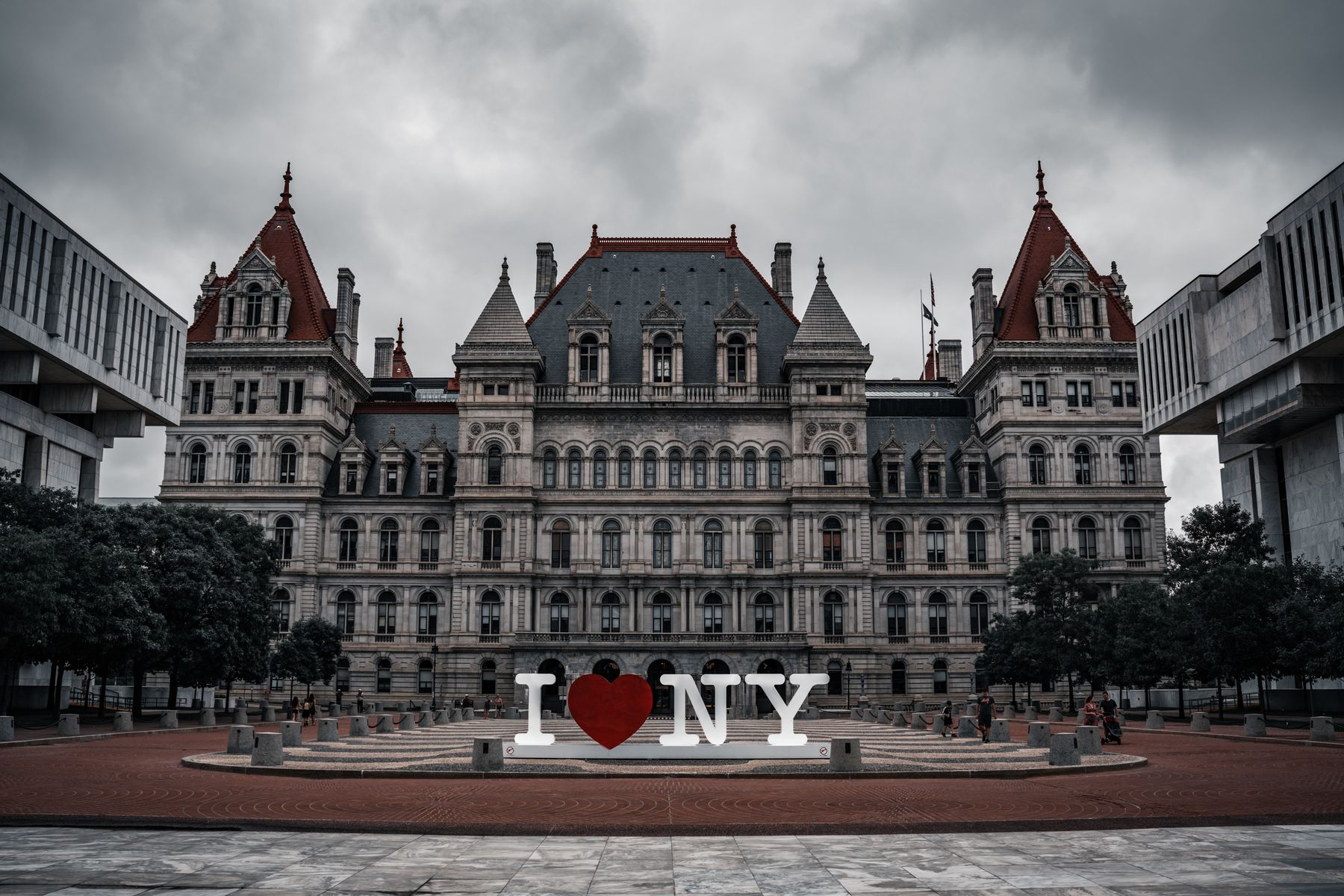
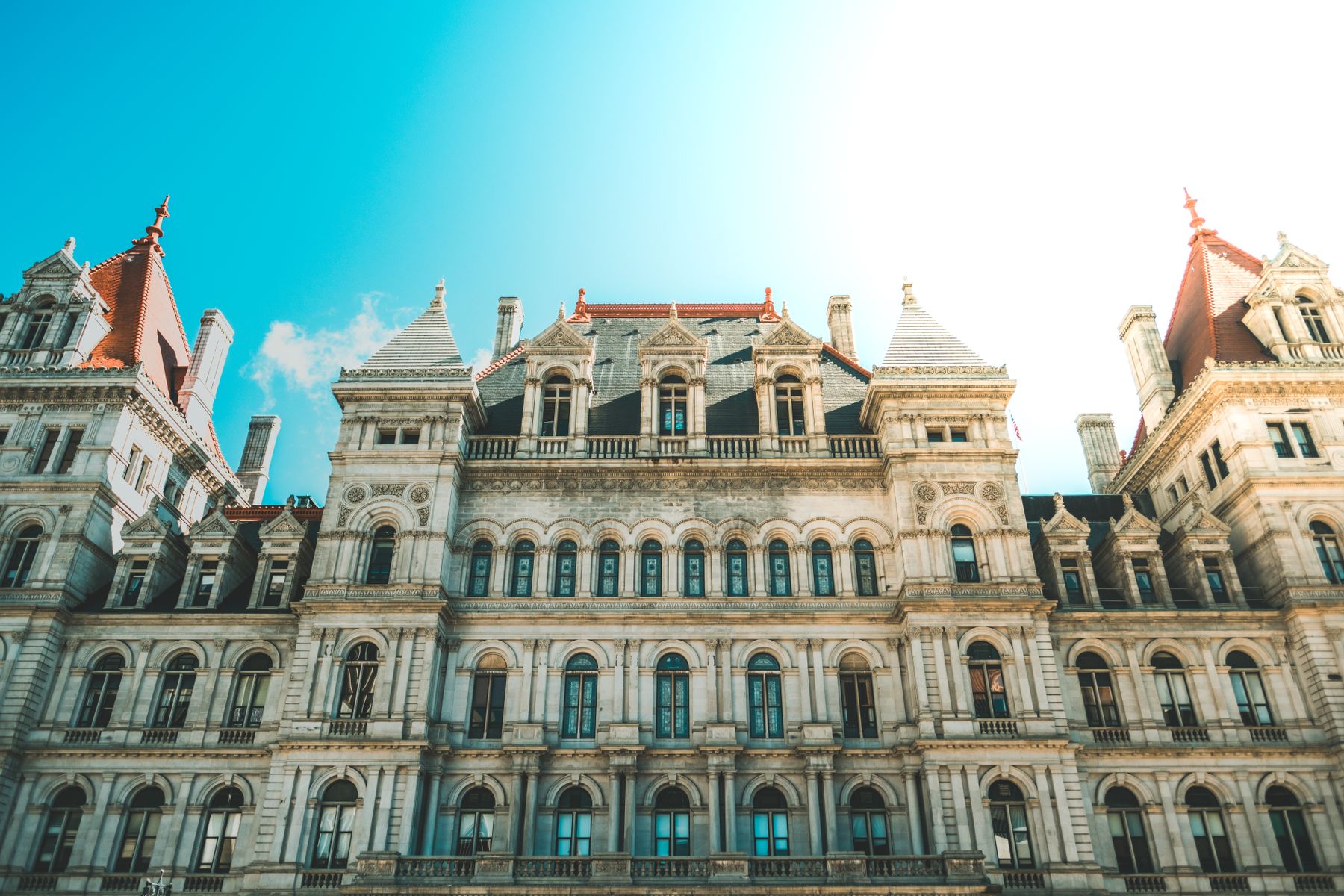
Book a downtown or Park South hotel and you can walk to the New York State Capitol, the Empire State Plaza, and the Albany Institute of History & Art on Washington Avenue without touching a rental car. Expect roughly $150 to $240 a night midweek in the Hudson/Park and Center Square neighbourhoods, and closer to $250 to $320 on graduation and legislative-session weeks in May and June. Skip airport-adjacent properties on Wolf Road: cheaper, but every trip becomes a drive.
The Train Corridor North: Saratoga, Lake George and the Adirondacks
The single best carbon decision on an upstate itinerary is to keep using Amtrak. The Adirondack line runs from Rensselaer north through Saratoga Springs (about 45 minutes), then Westport and Plattsburgh. Saratoga's Broadway, the mineral springs in Congress Park, and Saratoga Spa State Park are all a 15-minute walk from the station. Summer and early autumn are the months to go; late October through April, several attractions and the track meet shut down and the town gets very quiet.
Lake George is trickier. The closest rail stop is Fort Edward, then a 20-minute taxi or the seasonal trolley along Route 9. Once you're in the village, the lakefront, Prospect Mountain trailhead, and the Minne-Ha-Ha dock are walkable. Drive time from Albany is about an hour via the Northway, so if you have three or more people and one car, driving actually beats the train on per-person emissions. Two people, no kids: take the train. Best months are late June through early September; leaf season peaks the first two weeks of October.
What a Realistic Low-Carbon Week Looks Like
Base yourself in Albany for three nights, then shift north for two. Use CDTA's network in the city, take the train to Saratoga for a night, and hire a car only for the lake day. That structure eliminates most of the back-and-forth driving that drives up an upstate trip's footprint. Fill mornings with the Corning Tower observation deck, the Schuyler Mansion on Clinton Avenue, and the Pine Bush Preserve, where the Albany Pine Bush Discovery Center on New Scotland Avenue runs free guided walks on weekends from April to October.
Eating well without driving is easy: Lark Street between Madison and Washington has the densest cluster of restaurants, and the Saturday farmers market at the Empire State Plaza runs May through late November. For a longer day out, the Albany-Rensselaer to Hudson run is 25 minutes and puts you on Warren Street, one of the best walkable antique rows in the state. This is the version of the trip I would book for anyone coming up from the city without a car; it uses the trains that already exist and doesn't require anyone to buy offsets to feel good about it.
When to Go, What to Skip, and How to Keep the Cost Down
Late April through June and September through mid-October are the sweet spots: mild weather, everything open, and the Tulip Festival in Washington Park in May and the Lark Street festival in September are both free. July and August are humid and the Plaza events are crowded; late January and February are cold and many smaller attractions run reduced hours. Rates drop noticeably in mid-January, late February, and the first half of November, and you can often find downtown rooms under $140 on a Tuesday in those windows.
Skip the guided motorcoach tours of the Hudson Valley; they cover a lot of ground for very little time at each stop. Skip the Wolf Road hotel strip unless you have an early flight. Skip Colonial Williamsburg-style reenactment add-ons that bundle shuttle rides. Book direct with a downtown Albany property, ask whether they hold rooms for CDTA-arriving guests, and confirm the walk to the Capitol before you pay. That is the honest version of a lighter-footprint Albany trip.
The River Towns You Can Reach on the Bus: Troy, Cohoes and Schenectady
You do not need the car to see the best of the surrounding cities. CDTA runs frequent buses from downtown Albany up to Troy in about 25 minutes, dropping you a block from the Troy Waterfront Farmers Market, which spills along River Street outdoors from May through October and moves inside the Uncle Sam Atrium on Broadway from November to April. River Street's antique shops, the Rensselaer County Historical Society, and the Hudson-side promenade are all walkable from there. Cohoes Falls, the second-largest waterfall in New York, sits at Falls View Park about 20 minutes further north and costs nothing to visit.
West of the city, the BusPlus red line links Albany and Schenectady along Route 5 roughly every 15 minutes at peak, a 35-minute ride that ends near Proctors Theatre on State Street. From there walk five minutes into the Stockade, the oldest continuously occupied neighbourhood in the state, where 18th-century Dutch houses line Front Street down to the Mohawk River. Schenectady also has its own Amtrak stop about 20 minutes up the line from Rensselaer, so you can rail-hop between the two downtowns and skip parking entirely. Weekends thin the bus timetable, so check return times before you set out.
Biking the Capital Region: Bikeshare and the Empire State Trail
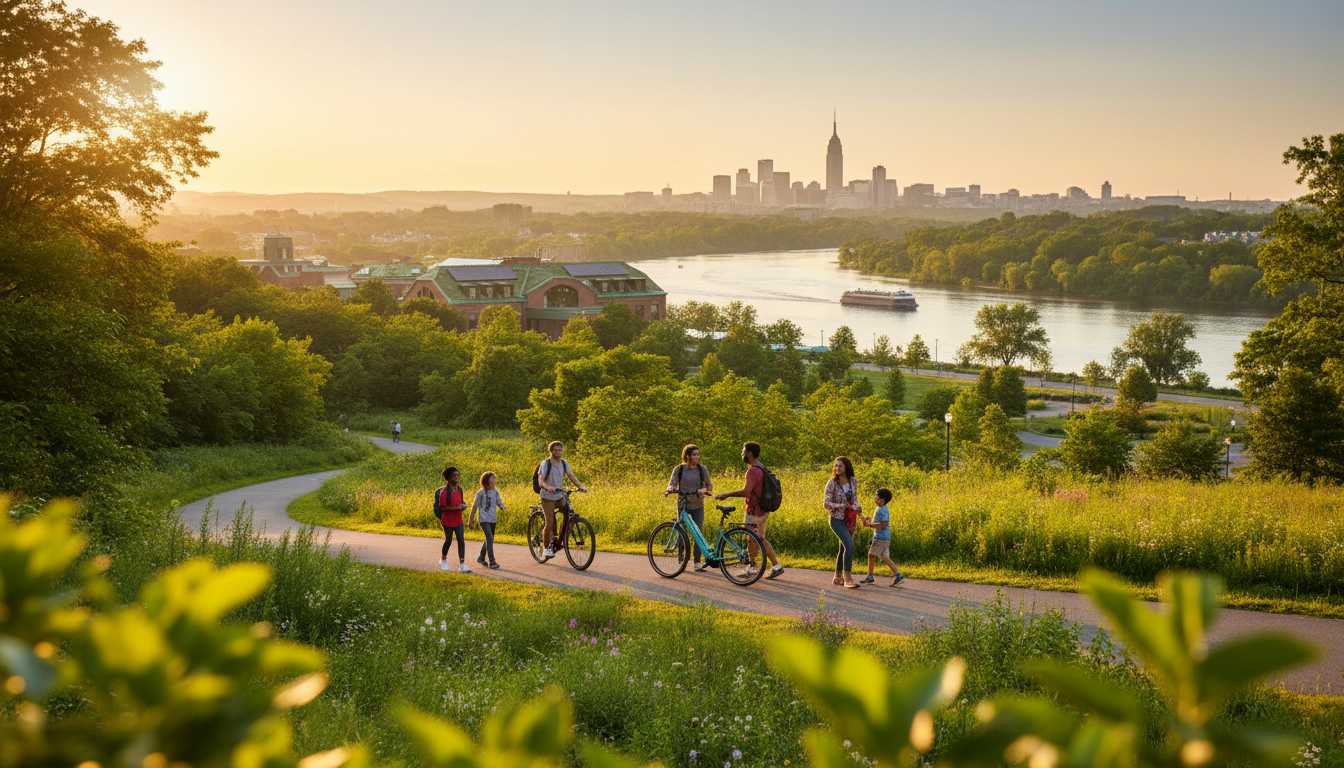
For the lowest footprint of all, ride. CDPHP Cycle! bikeshare keeps docks across downtown Albany, Troy, Schenectady and Saratoga Springs; a single unlock runs a few dollars and a day pass sits around $10, both handled in the app with no counter to visit. From the Corning Riverfront just below downtown you can join the Mohawk-Hudson Bike-Hike Trail, a flat, paved, mostly traffic-free route north toward Watervliet and Cohoes that also forms part of the Empire State Trail running 750 miles from Manhattan to the Canadian border.
The riding season is roughly April through October; the trail floods in spots during the spring melt, so give it until May in a wet year. A comfortable half-day loop is Corning Riverfront to the Watervliet dock and back, about 12 flat miles with river views most of the way and coffee stops in between. If you would rather not pedal the whole distance, ride one direction and take a CDTA bus fitted with a front bike rack home. Pair the bike with a downtown hotel near Broadway and you can skip the rental car for the entire in-city portion of the trip.
Before you book
What people ask before booking Albany.
No, if you stay downtown or in Park South. Amtrak arrives at Rensselaer, CDTA covers the city, and the Capitol, Plaza, and Lark Street are all walkable. Rent a car only for a Lake George or Adirondack day.
Late April to June and September to mid-October. Weather is mild, attractions keep full hours, and the Tulip Festival and Lark Street events are free. Avoid late January, when many smaller sites cut hours.
Roughly $150 to $240 midweek in Center Square or Hudson/Park, rising to $250 to $320 during legislative session and graduation weeks in May and June. Mid-January and early November are the cheapest windows.
Yes. CDTA buses reach Troy in about 25 minutes, and the BusPlus red line runs to Schenectady along Route 5 roughly every 15 minutes at peak. Schenectady also has its own Amtrak stop about 20 minutes up the line from Rensselaer.
In season, yes. CDPHP Cycle! bikeshare has docks in Albany, Troy, Schenectady and Saratoga, with day passes around $10. The flat, paved Mohawk-Hudson Bike-Hike Trail runs from the Corning Riverfront north toward Cohoes, roughly April through October.